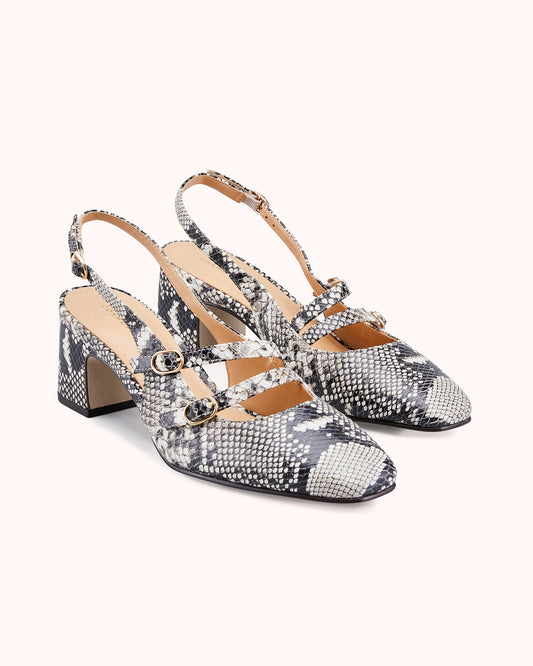
Ballet flat or Mary Jane: what sets them apart
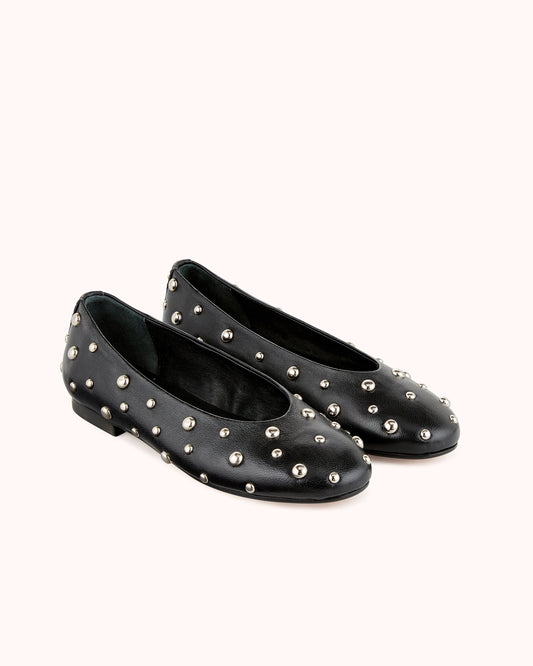
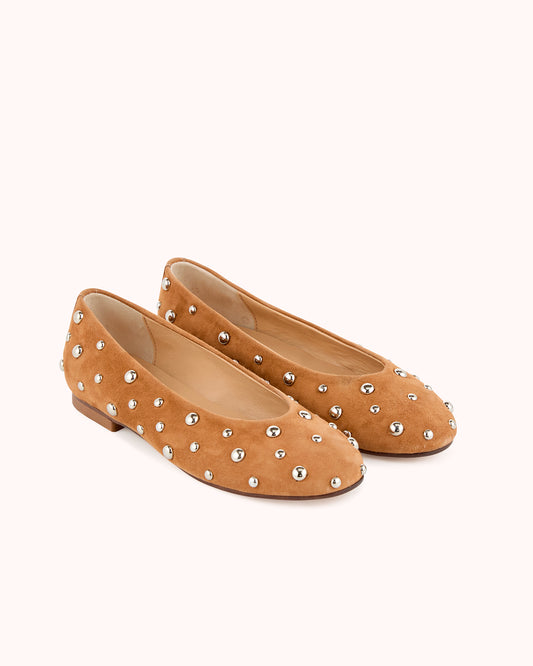
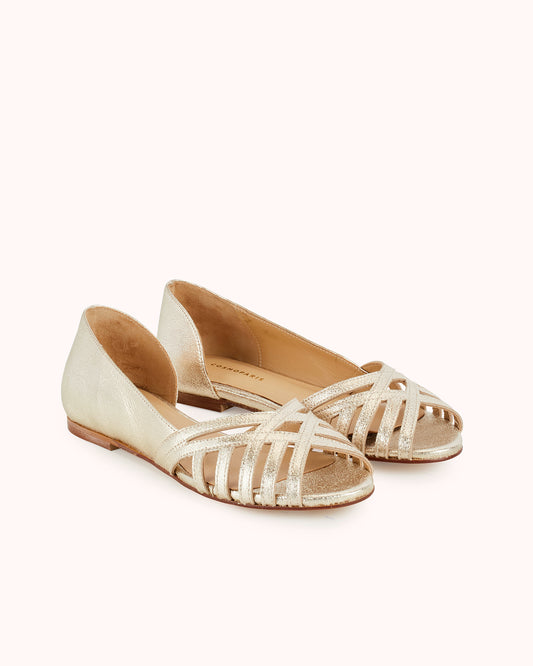
The ballet flat is the most minimal: a low vamp, no fastening, a thin sole. It slips on in one movement and disappears under trousers, making it the most discreet shoe in your wardrobe.
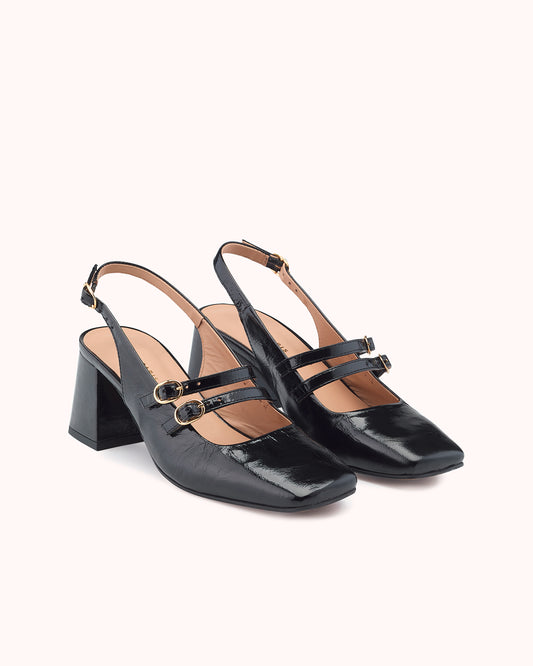
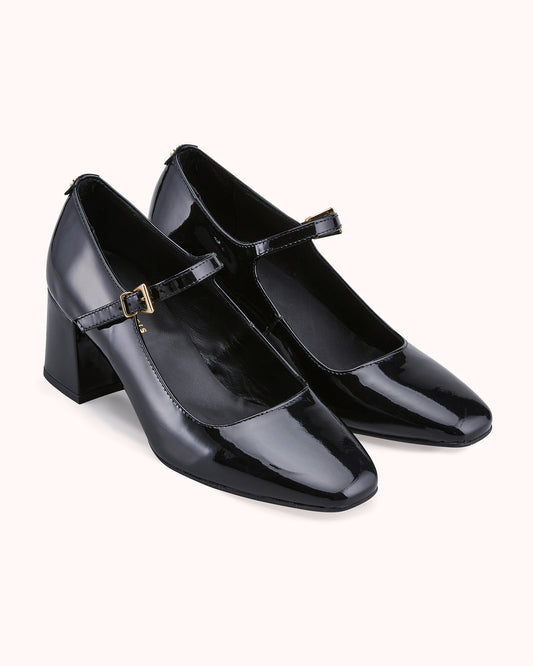
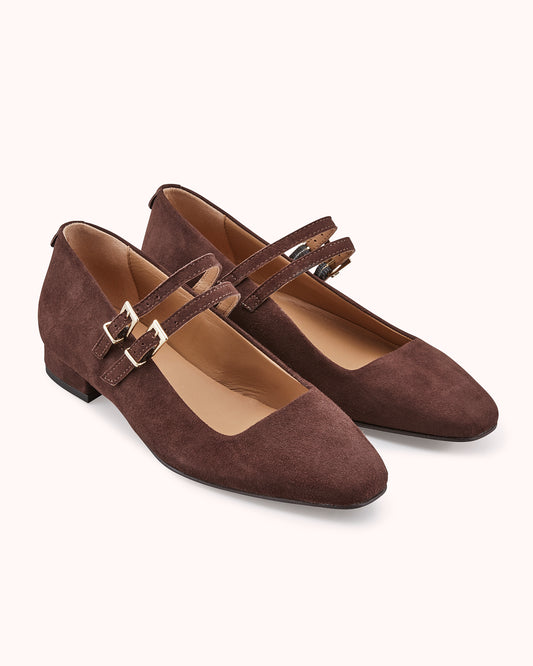
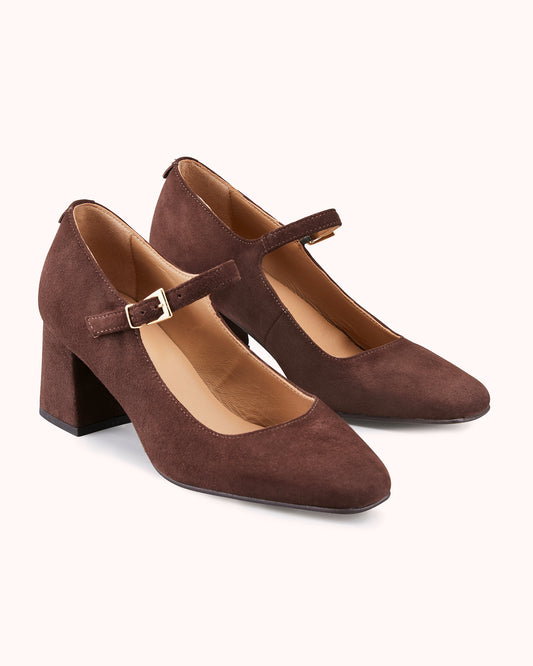
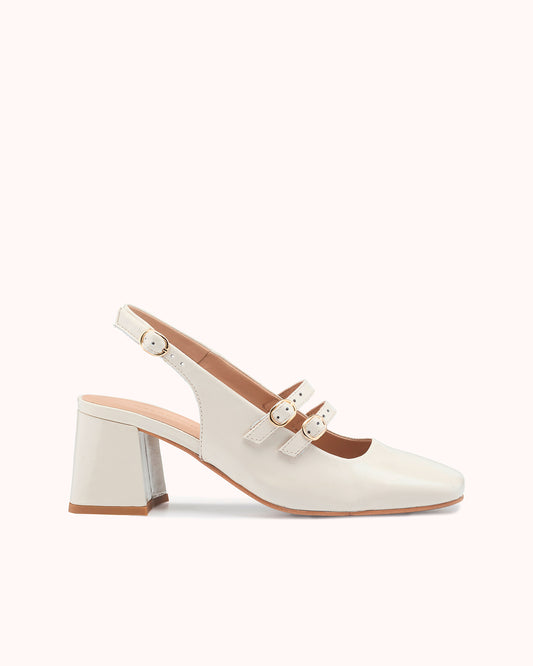
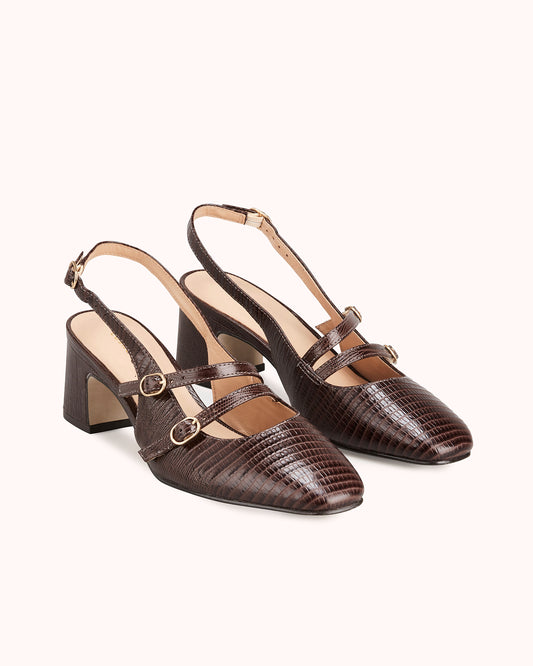
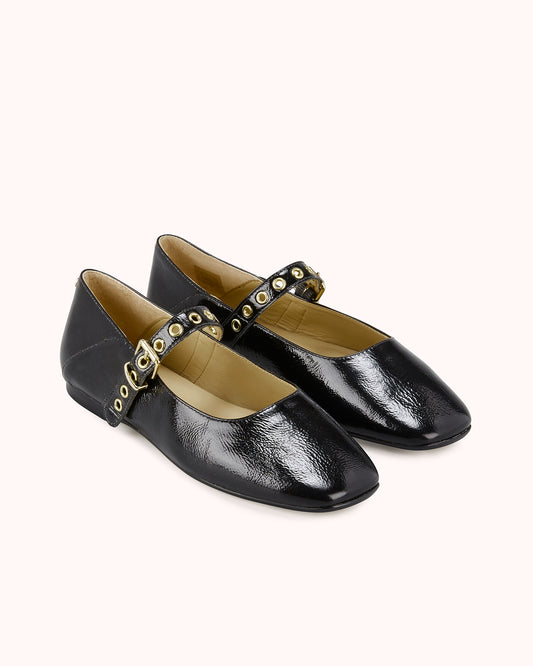
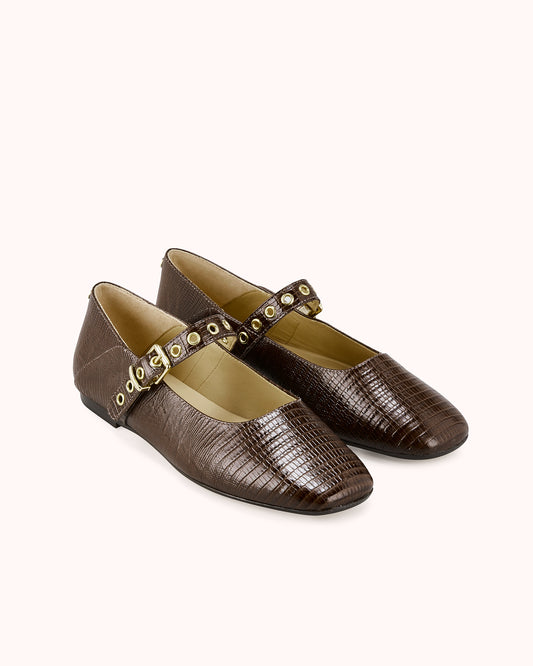
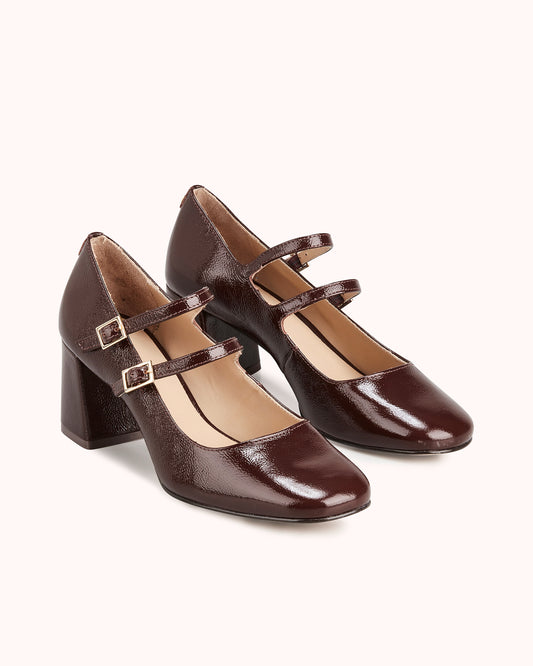
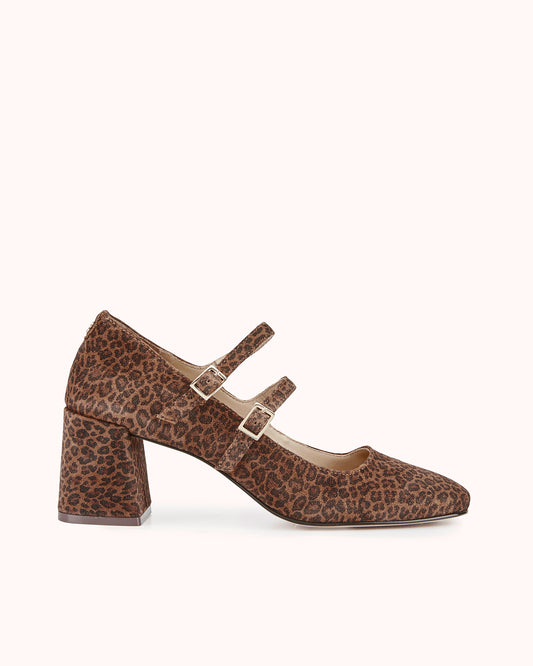
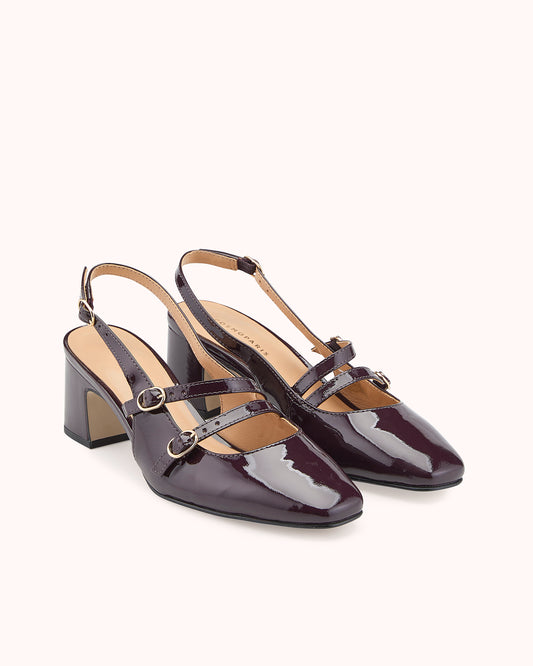
The Mary Jane adds a strap across the top of the foot, closed with a buckle or a press stud. This strap changes two things. It secures the fit: your foot doesn't slip out with every step, which makes the Mary Jane more comfortable on a long walk. And it adds a visual detail that structures the silhouette, especially with a skirt or a dress.
If you often wear ballet flats and tend to lose them at the heel, the Mary Jane is the answer. Find the full glossary in our shape guide.
Avoiding rubbing on a flat shoe
A new ballet flat can mark the back of the heel for the first few days, while the leather shapes itself. Three precautions solve the problem.
Wear the pair for two hours at home before taking it out: the leather lining relaxes and takes the shape of your foot. Then check the size: in a ballet flat, your foot should neither slide forward nor feel squeezed at the sides, because without a fastening, all the hold depends on the fit. Finally, the leather lining in our styles plays a direct role: it absorbs moisture and stays supple, unlike a synthetic lining that rubs and heats up as soon as the foot perspires.
How to wear ballet flats
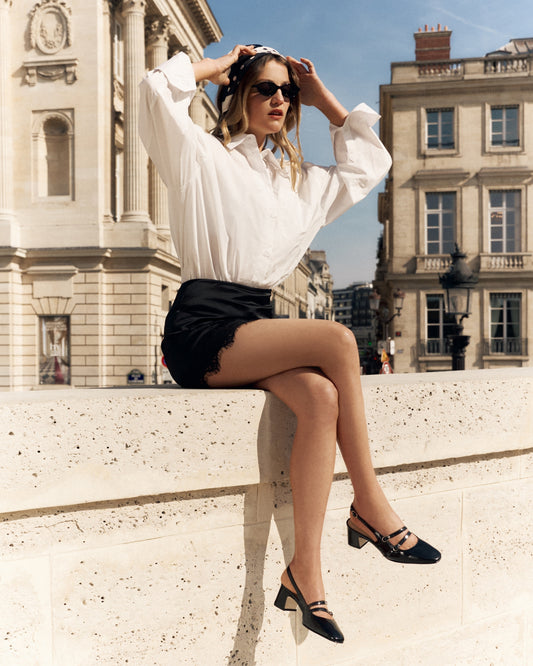
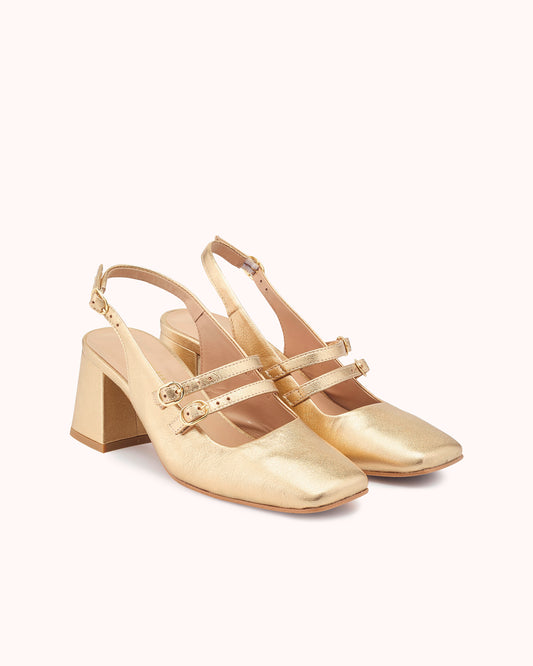
With straight or slightly cropped jeans, a pointed-toe ballet flat elongates the leg and avoids the squat effect a round toe can create. With a midi skirt, a Mary Jane with a strap creates a horizontal line that defines the ankle. With wide-leg trousers, choose a patent or metallic leather style, which stays visible beneath the volume of the fabric.
Socks are the accessory that transforms a ballet flat: a fine sheer knit or a ribbed sock in a contrasting shade turns a demure outfit into a considered look. See our socks.
Materials and care
Smooth leather is the most versatile and is easy to nourish. Patent leather stands up to rain and cleans with a soft cloth, a real advantage for an everyday shoe. Nubuck and suede bring an elegant matte finish but need waterproofing before the first wear.
On a flat shoe worn intensively, the sole wears faster than a heel. Having a protective sole fitted by a cobbler as soon as you buy them significantly extends the life of the pair. Find our shoe care products.
Frequently asked questions
What is the difference between a ballet flat and a Mary Jane?
A ballet flat has no fastening: it stays on purely through its fit on the foot. A Mary Jane adds a strap across the top of the foot, closed with a buckle or a press stud, which secures the fit and makes the shoe more comfortable on a long walk.
How do I stop ballet flats from hurting or slipping?
Wear them for two hours at home before taking them out, while the leather lining shapes itself. Check the size: without a fastening, all the hold depends on the fit. If the problem persists, a Mary Jane with a strap will suit your foot better.
How do I wear ballet flats with style?
A pointed toe elongates the leg with straight or slightly cropped jeans. With a midi skirt, a Mary Jane with a strap defines the ankle. A fine-knit or ribbed sock in a contrasting shade is enough to completely transform the look of the pair.